What Backflow Is And Why Plumbing Testing Is Important
Looking for backflow testing to ensure your water system is safe and compliant? Local contractors can handle the testing and help prevent contamination.
Understanding what backflow is and why plumbing testing is important can help property owners safeguard their water supply and ensure the safety of their homes or businesses. Backflow occurs when contaminated water flows backward into the clean water supply, potentially introducing harmful substances. Regular plumbing testing by experienced service providers can identify issues early, preventing costly repairs and protecting health. For those in the area exploring this topic, knowing how backflow can impact water quality highlights the value of professional backflow testing services available through trusted local contractors.
Property owners who want to maintain the integrity of their water systems often consider backflow testing as a proactive step. Local service providers offer expertise in assessing backflow prevention devices and ensuring they function correctly. This testing not only helps meet local regulations but also provides peace of mind that water remains safe for everyday use. Keep reading to learn more about how understanding backflow and investing in professional testing can benefit your property’s water safety, with local experts ready to assist when needed.
- Backflow testing - homeowners may need this service to ensure their drinking water remains uncontaminated, and local contractors can assess and verify backflow prevention devices.
- Plumbing system inspection - if there are signs of water contamination or unusual water pressure, local pros can perform testing to identify backflow issues.
- Backflow device installation - new properties or systems requiring backflow preventers can benefit from expert installation by local service providers.
- Preventive maintenance - regular testing helps detect potential backflow problems early, with local contractors providing scheduled inspections.
- Troubleshooting water quality concerns - when water appears discolored or has an odd taste, local pros can conduct backflow testing to determine if backflow is the cause.
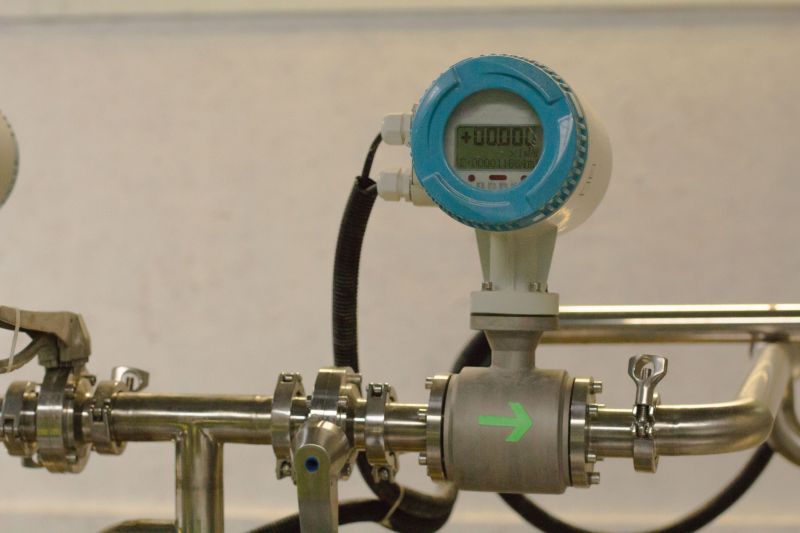
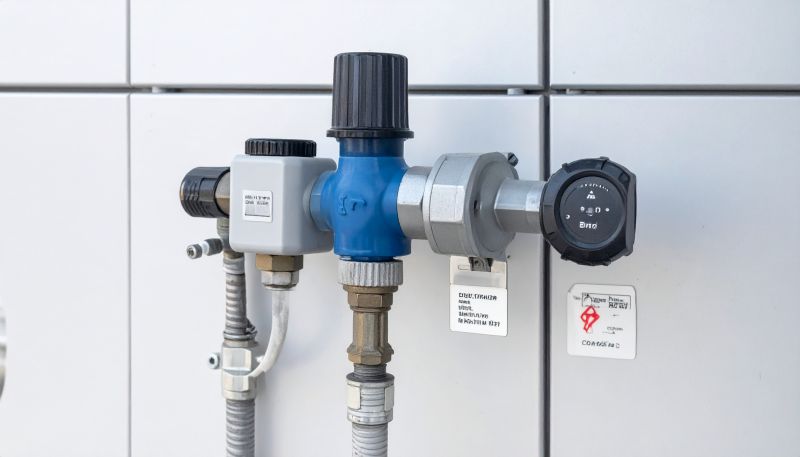
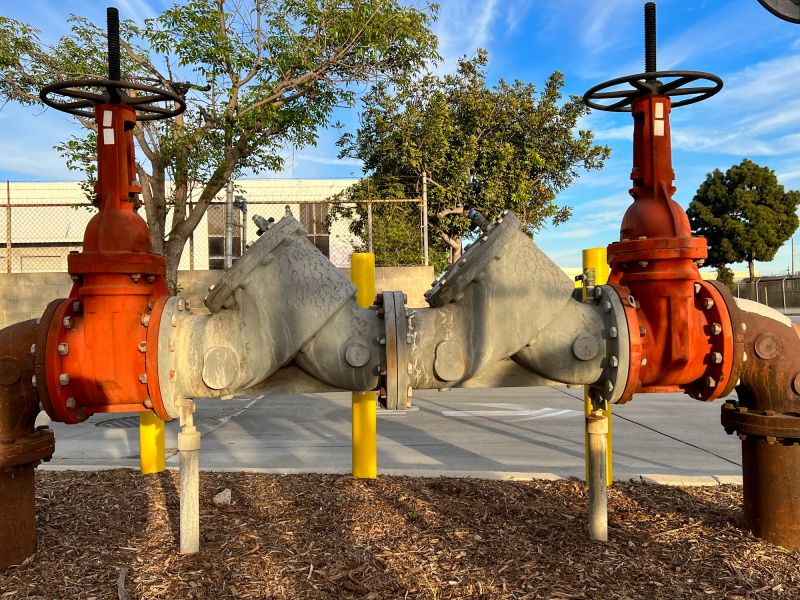
Understanding what backflow is and why plumbing testing is important helps homeowners protect their water supply from contamination. Backflow occurs when water flows in the opposite direction of its intended path, often caused by changes in pressure within the plumbing system. This reversal can allow pollutants, bacteria, or other harmful substances to enter the clean water supply, posing health risks and potentially violating local health codes. When searching for information on this topic, many people are looking to understand how backflow can impact their household or business and what steps are necessary to prevent it. Plumbing testing, including backflow prevention tests, is a key part of ensuring the safety and integrity of the water system, especially for properties that rely on irrigation systems, fire suppression systems, or have connections to non-potable water sources.
Problems related to backflow are common concerns for a variety of property types. Residential homes with lawn irrigation systems, for example, are often at risk if backflow prevention devices aren’t properly installed or maintained. Commercial properties such as restaurants, schools, and healthcare facilities may also require regular testing to meet health and safety regulations. Additionally, properties with well water or those connected to municipal water supplies might need backflow testing to prevent contamination from external sources or system failures. Understanding these risks helps property owners recognize the importance of routine plumbing testing and backflow prevention measures to avoid costly repairs, health hazards, or regulatory issues.
Most properties that come up in discussions about backflow are those with complex or interconnected plumbing systems. Homes with irrigation or fire sprinkler systems are common, since these setups often require backflow prevention devices to stop contaminated water from flowing back into the main supply. Commercial buildings, especially those with food service or medical functions, are also frequently involved because of stricter health standards. In some cases, properties located in areas prone to pressure fluctuations or flooding may be more vulnerable to backflow problems. Local service providers who specialize in backflow testing are equipped to assess these systems, install necessary devices, and perform regular inspections to ensure everything functions correctly, helping property owners stay compliant and protect their water quality.
Connecting with experienced backflow testing professionals is essential for maintaining a safe and reliable water system. These local contractors understand the specific requirements of different property types and can evaluate whether existing backflow prevention devices are functioning properly. They perform thorough testing to detect potential issues, such as faulty valves or pressure problems, that could lead to backflow incidents. Regular testing and maintenance by qualified service providers help prevent contamination, reduce the risk of water service interruptions, and ensure compliance with local health regulations. For homeowners and property managers alike, working with trusted local pros makes it easier to keep the plumbing system in good working order and safeguard the quality of their water supply.
Backflow Prevention Installations - local contractors can install backflow prevention devices to protect water supplies, requiring similar planning and testing as backflow testing services.
Water System Inspections - comprehensive inspections of plumbing systems involve identifying potential cross-connections and ensuring proper testing procedures are followed.
Leak Detection and Repair - detecting and fixing leaks within plumbing systems shares skills in diagnosing issues and understanding water flow, which are relevant to backflow prevention.
Cross-Connection Control Programs - managing cross-connections in plumbing systems involves testing and safeguarding against backflow, similar to the processes used in backflow testing.
Municipal Water System Maintenance - maintaining public water systems includes testing for backflow risks and ensuring compliance with safety standards, requiring similar expertise.
Pipe Replacement and Upgrades - replacing or upgrading plumbing pipes involves planning and understanding water flow, paralleling the skills used in backflow prevention and testing.
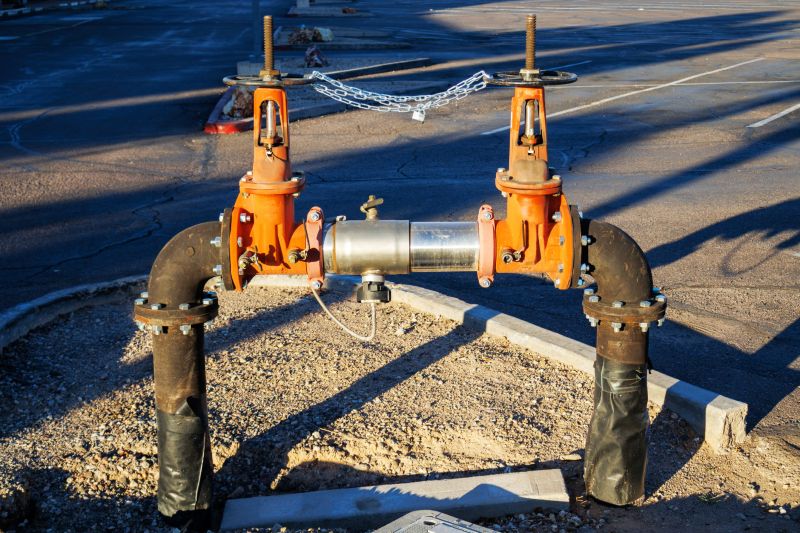
When evaluating service providers for backflow testing, experience with similar projects can be a valuable factor to consider. Local contractors who have a track record of handling backflow prevention and plumbing testing are more likely to understand the specific requirements and potential challenges associated with these services. Inquiring about the types of properties they have worked on and the scope of their experience can help homeowners gauge whether a contractor has the practical knowledge needed to perform thorough and reliable testing.
Clear written expectations are essential to ensure that both the homeowner and the contractor are aligned on the scope of work, procedures, and any necessary follow-up. Service providers who can provide detailed explanations of what backflow testing involves, what the process will entail, and how results will be communicated can help prevent misunderstandings. This transparency allows homeowners to make informed decisions and feel confident that the testing will be conducted properly and efficiently.
Reputable references and good communication practices are also key when comparing local contractors. Homeowners should seek out service providers who can offer references from previous clients or examples of completed projects similar to their needs. Additionally, responsive and clear communication throughout the process can indicate a professional approach and a commitment to customer service. Choosing a contractor who values transparency and maintains open lines of communication can contribute to a smoother experience and greater confidence in the quality of the work performed.
Property owners often search for what backflow is and why plumbing testing is important when they are planning practical projects around their homes and businesses. Local pros provide Backflow Testing services for everyday jobs and straightforward project options.
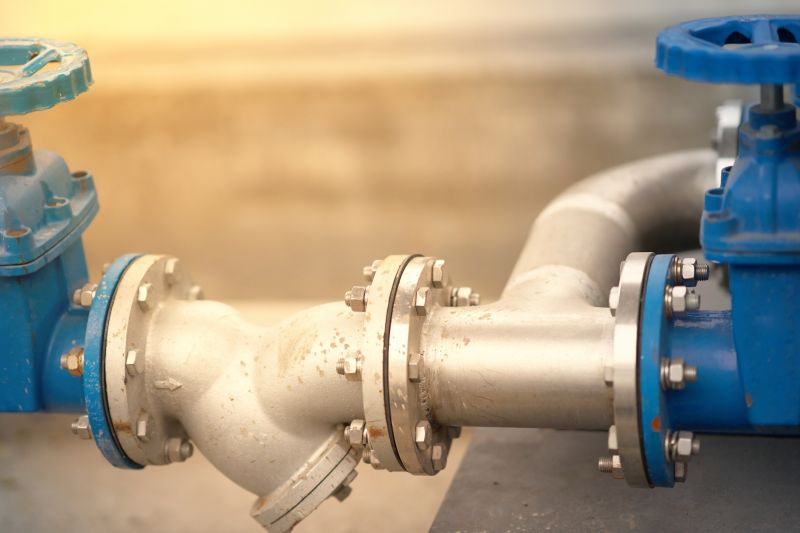
Understanding what backflow is and why plumbing testing is important can help property owners ensure their water supplies remain safe and free from contamination. Backflow occurs when contaminated water flows backward into the clean water supply, often due to pressure changes in the plumbing system. This situation can happen in various everyday scenarios, such as during heavy rain, plumbing repairs, or when there’s a sudden drop in water pressure. Regular plumbing testing by local service providers can identify potential backflow issues early, preventing costly damage and safeguarding the health of everyone relying on the property’s water system.
For property owners in the area, seeking out backflow testing services from local contractors can be a practical step toward maintaining a safe and compliant plumbing system. These professionals have the expertise to assess backflow prevention devices, conduct necessary tests, and ensure everything functions properly. By staying proactive with plumbing testing, property owners can avoid the risk of water contamination and ensure their plumbing systems operate smoothly. Connecting with experienced local service providers is a straightforward way to keep backflow issues in check and protect the property’s water quality.
What is backflow in plumbing? Backflow occurs when contaminated water flows backward into the clean water supply, potentially causing health hazards. Plumbing testing by local contractors can identify and prevent these issues before they become serious problems.
Why is backflow testing important? Backflow testing helps ensure that your water supply remains safe and free from pollutants. Regular testing by local service providers can detect early signs of backflow and help maintain water quality standards.
How do local pros perform backflow testing? Professionals use specialized equipment to check for reverse flow in plumbing systems, ensuring that backflow prevention devices are functioning correctly and that your water remains uncontaminated.
What are the risks of not testing for backflow? Failing to test for backflow can lead to contamination of drinking water, posing health risks and potentially violating local water safety regulations. Regular testing helps mitigate these risks.
Who should consider backflow testing services? Property owners with irrigation systems, fire protection systems, or any setup that could cause backflow should consider scheduling regular backflow testing with experienced local contractors to protect their water supply.
Understanding backflow prevention - property owners can learn how backflow issues may affect their water supply and ensure proper installation with help from local contractors.
Scheduling regular plumbing testing - setting up routine backflow testing can help identify potential problems early and maintain water safety standards.
Identifying signs of backflow problems - recognizing symptoms like strange tastes or odors can prompt timely inspections by local pros to prevent contamination.
Implementing backflow prevention devices - property owners can work with local service providers to install and maintain devices that stop backflow from entering the water system.
If you are thinking about what backflow is and why plumbing testing is important for a property, this guide is meant to help you understand this topic, the typical project types, and how different options might fit your plans.
When you are ready, you can use the quote form on this page to share a few details about your project. From there, local pros can review the basics and follow up with options that match what you have in mind.